
Centelli’s Digital Workers in Hospitality Automation: Takeaways from the JHTC Case Study
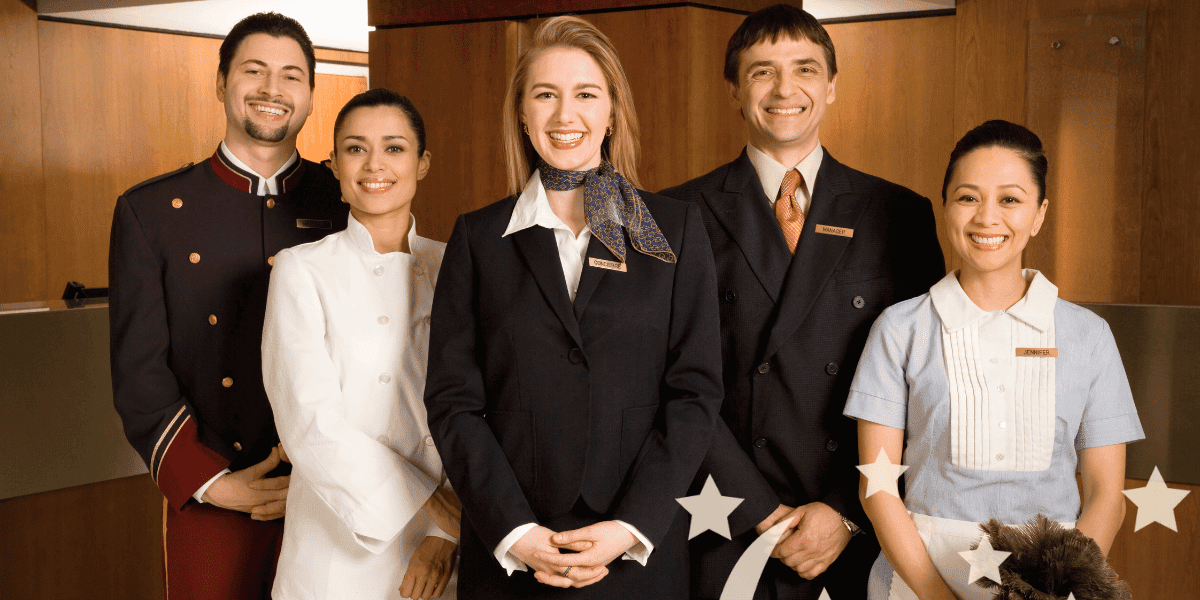
Operating behind the scenes but making a front-line impact. Perhaps this is the best way to describe ‘Digital Workers in Hospitality Automation’. Significantly, hospitality businesses are among the active adopters of automation and AI. Quite an interesting development for a people-centric, high-touch industry that thrives on face-to-face interactions. In this blog, I share key takeaways from my academic collaboration with Ajay Aluri (West Virginia University) and Eric Brown (Iowa State University). Together, we’ve explored the critical drivers behind AI and automation adoption—and the transformative impact these technologies are bringing to hospitality operations. The case study, titled Investigating the Impact of Automation, Digital Workers, and Artificial Intelligence on the Hospitality Industry, is published by SAGE’s Journal of Hospitality and Tourism Cases (JHTC). The article also spotlights Digital Workers, with real-world examples of Centelli’s implementations examined, explained, decoded, and demystified. Here’s the crux, along with my bonus insights and perspective for your benefit. Dive in! The Widening Ambit of Hospitality Automation The hospitality industry has undergone massive change, much of it triggered by the COVID-19 pandemic. Significantly, the JHTC-Centelli case study rightly underscores the pivotal shifts it caused in the Hospitality and Travel sector. Digitalization was already gaining ground, but the pandemic became a watershed moment—accelerating automation in unprecedented ways across organizations, consumers, and employees alike. This is how it has played out: AI, Automation and Digital Workers: A Pivot for the Hospitality Industry Businesses are responding to evolving landscapes—consumer behavior, employee expectations, and operational environments—by seeking digital solutions that are simple, convenient, and efficient, the JHTC case study notes. We at Centelli couldn’t agree more, as we’ve helped our many clients become more resilient, effective, and agile through automation. Here’s what we’re seeing: Digital Workers in Hospitality Automation: Seamless, Efficient Operation Increasing use of IoT-enabled devices by businesses and individuals, talent shortages, and rising wage demands are among the core reasons to automate processes where they make the most sense for both efficiency and cost optimization. Technology is taking on a definitive role as human resources across the board brace for the new paradigm. In this context, the JHTC-Centelli case study explores: You’ll also find real-world examples offering valuable insights into Centelli’s Digital Worker implementations at Davidson Hospitality Group, Clermont Hotel Group, and others. From classic RPA to Digital Workers, we at Centelli have steadily expanded and innovated our custom-built solutions to include AI-led RPA, intelligent process automation (IPA), and now, agentic automation as well. Importantly, our Digital Workers also continue to become more advanced and capable, powered by large language models (LLMs), generative AI, and beyond. Data Privacy and Compliance with Hospitality Digital Workers The article also thoughtfully addresses data privacy and compliance concerns. It explains that Digital Workers for Hospitality Automation operate within the existing user interface of hotel systems. This ensures these bots: This rules-based, UI-driven method provides a grounded way to bring AI into operations without compromising guest trust or regulatory obligations. Notably, Centelli’s Digital Workers embody this approach—each bot mimics a human employee, following defined steps and using business systems as they were intended. This means: So, it’s a framework designed for responsible AI use from the start. AI and Automation: From a Hospitality Employee Perspective The case study as well touches on a key concern: AI and automation can trigger anxiety among employees. Non-managerial staff may feel job insecurity, especially. But employees need to see how AI and automation can enhance—not replace—their work, especially in guest-facing roles. And organizations must help staff understand how these tools improve service quality and customer satisfaction, which in turn drives business growth and job stability. Here’s how hospitality staff benefit: Want full access to the case study? Get your copy here: SAGE’s Journal of Hospitality & Tourism Cases. Hospitality Digital Worker Adoption FAQs 1. Why are Digital Workers a smart fit for hospitality—and is the industry catching on?Awareness is growing, but many still don’t realize how practical and adaptable automation has become. Digital Workers—software-based team members—can handle time-consuming, repetitive tasks like data entry, reporting, and system updates. This frees up human staff to focus on guests and high-value work. It’s not about replacing people; it’s about supporting them in smarter, more sustainable ways. 2. How does Centelli address concerns about job loss from automation among their clients’ staff?The key is education and involvement. We work closely with staff to show how automation supports them—reducing burnout, freeing up time for guest engagement, and opening up paths to more meaningful roles. Rather than replacing jobs, Digital Workers enhance human contribution by taking over tasks the employees wish they didn’t have to do in the first place. 3. What’s the biggest takeaway for hospitality leaders from Centelli’s work with Digital Workers?Digital Workers aren’t theoretical—they’re already solving real problems in hospitality. From eliminating manual tasks to improving accuracy and guest service, they allow staff to focus on what matters most. Our case study shows how automation can be thoughtfully applied to create smarter operations without compromising the human touch that defines this industry. The Way Forward As hotels, restaurants, and travel companies compete for customers, they face another challenge: delivering seamless service while managing rising costs, staffing issues, and shifting customer expectations. Hospitality is—and will remain—a people-first function. Yet, digitalization has permeated nearly every aspect of operations, with automation and AI reshaping the industry in new ways. The way forward? As the study notes, business leaders and tech experts must identify how automation and AI can redefine hospitality roles and find effective ways to upskill or reskill the workforce to ensure a win-win for all.
How Davidson Hospitality Saved 80% of Finance Team Time with AI, Automation
Davidson Hospitality Group has advanced its digital transformation by implementing AI and automation in its finance function. Partnering with Centelli, the group optimized its reconciliation process, ensuring all financial records are accurate and consistent. With simplified, streamlined process, Davidson’s accounting team can focus on strategic tasks, boosting productivity and enabling better insights that drive organizational growth. Importantly, this digital transformation also aligns with the company’s goal of integrating advanced technologies to enhance service offerings and operational efficiency. The Challenge Notably, Davidson Hospitality manages over 200 hotels, resorts, and restaurants. And it faced the challenge of reconciling financial data from multiple sources on a daily basis. The key ineffeincies included: So, these manual reconciliations, performed via older systems accessed through Remote Desktop, drained valuable time. Consequently, it limited the team’s capacity to drive business performance. How Finance Automation Makes a Difference Centelli’s solution introduced a Digital Worker (DW) designed to emulate human actions on a computer system. It manages tasks like logging into various applications, downloading data from banks, and processing it. Here’s a closer look at what the Digital Worker does: 1. Logins and Data Downloads: The Digital Worker bot securely logs into banking applications and downloads transaction data Then it starts the reconciliation process without human intervention. 2. Intelligent Data Matching: The specialized bot uses a central mapping spreadsheet to efficiently match transactions, interpreting naming inconsistencies and adapting to new data over time. 3. Seamless Integration with Active Systems: Despite the challenges posed by older systems, the Digital Worker adapts easily, ensuring continuous, accurate processing across multiple accounts. Real-World Financial Impact and Benefits of AI and Automation Significantly, the benefits of Centelli’s finance automation for Davidson Hospitality are transformative. If the numbers could speak! We all love our Digital colleague. While we are at home each night, they are working away doing what was the most time-consuming part of my day—reconciliations. This transformative shift empowers our staff to focus on high-impact activities that enhance their skills and drive exceptional business performance! — Kyla Lawson, Senior Corporate Accountant Why You Should Care Because this AI solution is not just an automation tool; it’s a strategic asset that enhances operational efficiency! For Davidson, this technology allows accountants to move away from monotonous tasks and focus on insights that drive the business forward. You may also like: AI in Financial Risk Management: Robust Control & Smarter Decisions You can also empower your finance team and achieve seamless reconciliations with Centelli’s innovative approach. Interested? Get in touch today to learn how we can help you!
Transforming Airline Business Travel with AI
The last few years have seen a lot of uncertainty in the Travel and Hospitality sector. Managing corporate bookings, tracking reservations, and ensuring seamless travel experiences require significant effort—until now. Thanks to AI-driven automation, businesses can streamline these processes, reducing manual work and improving accuracy. One of the most exciting advancements in this space is using AI, like GPT, to read and extract structured data from free-text emails. How AI Transforms Business Travel Management Traditionally, processing business travel requests involved manually sifting through emails, identifying key details, and matching them with internal systems. This time-consuming process was prone to errors and inconsistencies. With AI-powered solutions, businesses can automate these tasks with greater precision and efficiency. Automated Data Extraction from Emails AI can be trained to process free-text emails by providing a clear prompt describing the required output. For airline business travel, this includes: This automated extraction allows businesses to seamlessly integrate the correct information into their systems, eliminating the need for manual lookup and reducing processing time. According to recent industry data, 75% of businesses in the travel sector implementing AI-driven automation reported a 40% increase in operational efficiency and a 30% reduction in manual processing errors. Enhanced Accuracy with Web Integration One of the most powerful aspects of AI-driven automation is the integration of web search capabilities. The hotel names and room types provided in booking emails often do not perfectly match a company’s internal naming conventions. With AI, the system can cross-reference these details against the company’s website to retrieve the exact internal hotel and room name. This ensures that the correct information is used for the next stage of the booking process, which may still require human intervention. In the airline and hospitality sectors, businesses using AI-powered search integrations have reduced data retrieval time by up to 60%, allowing for faster decision-making and improved service delivery. Opening New Possibilities for Data Search & Extraction The ability to leverage AI for structured data extraction extends beyond business travel management. With web-integrated AI, companies can: Through interviews with clients and industry professionals, we’ve found that hotels and travel companies that adopt AI-based data management save an average of $500,000 per year due to reduced administrative workloads and improved efficiency. Expanding AI’s Role in Hospitality and Travel AI solutions for hospitality and travel management are evolving rapidly. For an in-depth look at how AI transforms booking request management in the hospitality sector, check out this insightful article: AI Solutions for Hospitality Booking Request Management. This resource highlights how AI-powered automation reshapes how hotels handle reservations, improve customer experiences, and optimise operations. The Future of AI in Corporate Travel and Hospitality Integrating AI in airline business travel management marks the beginning of a new era. As AI capabilities evolve, we can expect even more sophisticated automation, including real-time adjustments based on traveller preferences, automated itinerary management, and predictive analytics for optimising corporate travel expenses. With 85% of travel executives planning to increase AI investments in the next five years, AI’s impact on the airline industry will only grow, making it a crucial tool for staying competitive. For businesses looking to stay ahead, investing in AI-powered data extraction and automation solutions is no longer optional—it’s essential. The world of business travel is transforming, and AI is at the heart of this revolution. Are you ready to leverage AI for seamless travel management? Book your first meeting here! Download Your free guide to automation in hospitality HERE.
Robotic Process Automation in the Hotel & Hospitality Sector

The hospitality industry is finally opening up again. After a year of staying in, people are only too happy to be parting with their money in restaurants and hotels whilst catching up with loved ones. However, the face of hospitality is very different to how it was pre-pandemic. As a result of the furlough scheme and hospitality staff finding new employment, there are now severe staff shortages in the industry. With more of the world opening up each week, the hospitality sector is now scrambling to get processes in place with reduced staff numbers. There are reports that as many as 9 in 10 venues that are now short staffed*. It’s not only due to lockdown, in the UK, Brexit has also had an effect on staff members too. Now that so many of us have renewed confidence due to vaccinations, we’re venturing out again in high numbers. This means venues are booking up, leaving restaurants struggling to cope with demand. All of this leads to increased competition for available hospitality staff. Although two thirds of employers are confident about recruiting and training in time – retaining staff will become imperative to remain cost effective. This is where Robotic Process Automation (RPA) can help. ‘Digital workers’ can continuously work throughout the day. Tasks that are classed as ‘dull’ and ‘repetitive’ are completed with ease. Basic tasks such as email reservations are automatically taken care of, so your staff can focus on welcoming customers back! Here are some of the jobs RPA can automate for you. Leaving the worry of staff shortages out of the running of your business; Payment collection – Collecting payment for pre-paid bookings is now much easier. It can be automated using Robotic Process Automation, freeing up staff time to focus elsewhere Insight – If you’re finding much of your resource is being used to generate essential reports, consider using RPA for this instead. You’ll find the data you require can be pulled together quickly and easily. Contact centre – Routine emails including email reservations, amendments or cancellations can all be taken care of. Any time of the day or night. Finance – Vendor setup and retiral, supplier reconciliation, and revenue postings are some of the financial aspects RPA can automate for your business Projects – We can provide fantastic support for projects. Covering anything from data migration, to rate code setup and user permission management. Easily controlled by you and carried out by our digital workers. To find out more about how Centelli has helped automate processes in the hospitality industry, take a look at our case study for Village Hotels. If you would like more information on how Centelli provides tailor-made solutions, get in touch with us today. Click here to Contact us TODAY! *Figures and information obtained at the time of publishing. https://dailybusinessgroup.co.uk/2021/06/hospitality-faces-growing-staff-shortage-crisis/
Turbulence and Calm in the Hospitality Industry

It’s never been so turbulent in the hospitality industry; in fact the winds have got to storm force! Where sometimes it all feels more like hostility rather than hospitality… Cancellations, refunds, amendments, bookings re-made then cancelled, credit notes and vouchers are the current norm. We talk to people in the industry who have upwards of 10,000 guest/membership emails (and growing) unanswered waiting for a response…and then to have to process them. With delay more emails are received pursuing the course of action originally requested…and it begins, a vicious circle. With back office functions now operating remotely or temporarily back on-site it is difficult to get back to processing levels of the past, never mind take up the increased workload. Employers are seeing stress levels rising within members of their teams who are relentlessly pursuing the ability to get stuff done, in less than ideal working conditions, bulk processing transactions, out of sight of the business. But there are some cool heads out there… We are talking to enlightened leadership teams who have managed to take a step back and revaluate what needs to be done. Obviously looking at immediate solutions, as well as re-evaluating the future. One thing is for sure, as things have changed and moved forward, they are never going back to where they were…but where to look to start freeing up the time and capacity of the workforce? The hospitality Industry is increasingly looking at the use of software robots, or Robotic Process Automation (RPA) to augment and takeover a whole range of processing and transactional tasks. With this technology it’s possible to spin up a robot in a few weeks to create a “Digital Worker” who will automate a process. You can have this technology supporting you getting over an immediate hump, heartily eating away at a catastrophic email inbox, calming the storm! A Digital Worker will work 24/7 and not require any vacation, concentrating on the task in hand. The time saved and the efficiencies gained releases you and your teams to start to look at the longer term. We know that the industry is adopting RPA more widely for the long term. It is now a well-established technology, knitting together disparate systems and taking care of routine process tasks and transactions. Anything a human can do on a computer screen, your Digital Worker can do as well. With the rise of remote home working it is an advantage to have the bulk/ transactional process handled centrally and to use a distributed workforce to concentrate on higher value and revenue generating, or revenue protection types of activities. RPA is an ideal way to centralise these repetitive tasks and get the job done with a big injection of efficiency and effectiveness. This frees up people to calm the waters, to enable them to work on member/guest facing value adding activities. The aim is to bring the real face of the business back to guests and be responsive, rather than just trying to clear ever growing backlogs – bringing “hospitable” back to hospitality.
Digital Workers to the rescue in Hospitality Industry
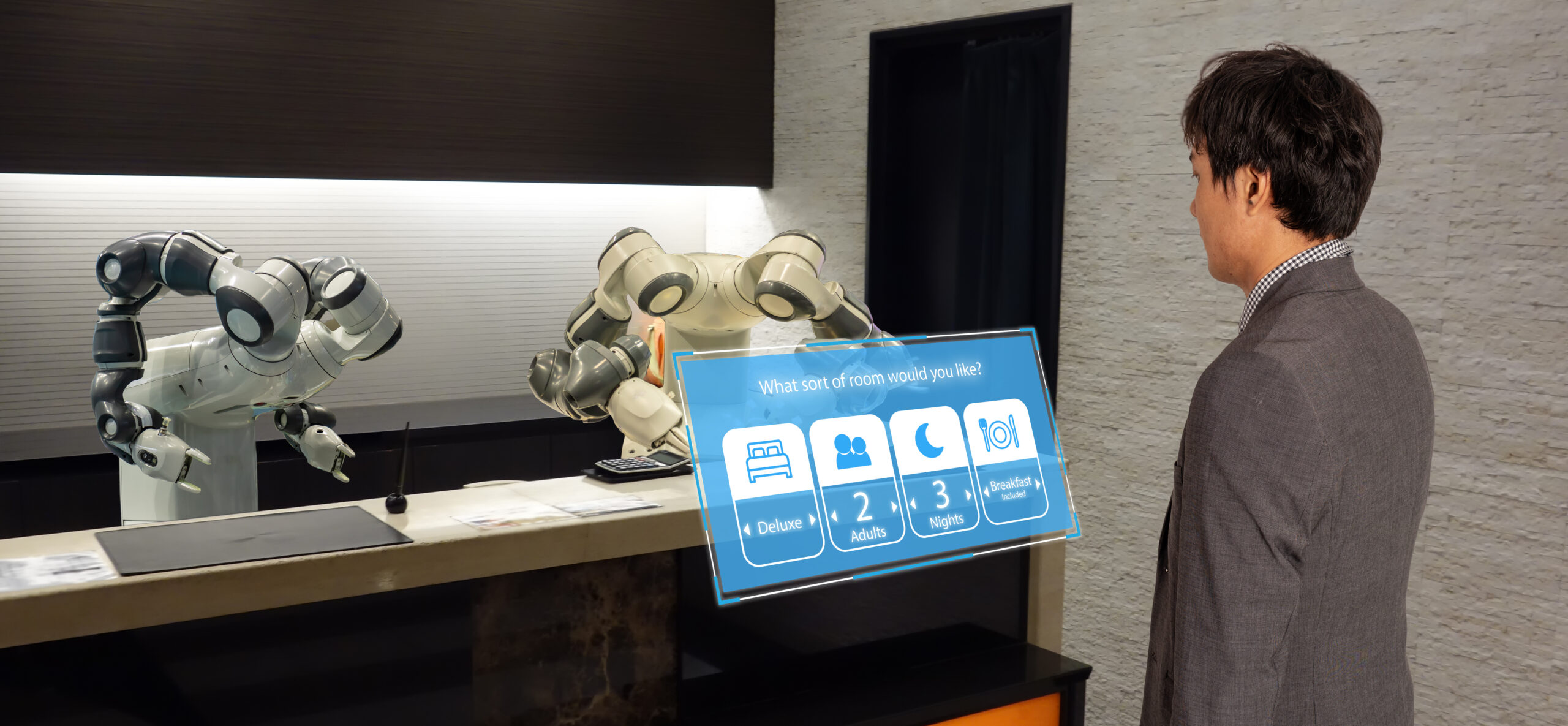
RPA rescue the hospitality industry ride the roller coaster of bookings; cancellations and amendments driven by the uncertainty of the current pandemic. The industry has seen that its time to change and that change will be permanent. The unprecedented impact from the COVID-19 Pandemic has thrown the hospitality industry into uncharted waters. There are so many unknowns and concerns for the immediate future. Hospitality businesses are expected to make considerable changes to their operations to safeguard employees’ and customers and re-engage with them to build their willingness to patronize their business. An unexpected by-product is that many businesses have taken the opportunity of site closures, restrictions to take a step back and take a long hard look at some fundamentals about their operations: What will the industry look like even in a post pandemic world? How can we prepare for the potential rollercoaster of impending rapidly imposed/relaxed lockdowns and restrictions? How do we interact and yet still delight our customers in the future? Digital is now a prevailing concept. The hospitality sector is looking to capitalize on such technologies to support customers choices as to whether they want to interact or distance themselves and how and how/when they to book. Industry leaders must look at tech-enabled solutions to increase operational efficiency and manage increasing volatility in operational processing of data. Suddenly when there is a lockdown, everyone cancel’s/amends their booking then lockdown eases everybody remakes their bookings. Some organizations now have 10s of thousands of emails sitting in inboxes waiting to be processed and are finding it difficult to ride the roller coaster. This is where RPA rescue the hospitality Industry is now turning increasing to a digital workforce. Robotic Process Automation (RPA) can automate time consuming processes and effectively drive greater efficiency. A robot can easily pick up the slack and process. Digital workers can work 24/7 and additional robots brought on-stream to cater for volatile demands. They fit right into the digital world. A key feature of RPA is that solutions can be delivered quickly and very cost effectively. This technology provides the adaptability and flexibility to integrate disparate systems and processes without the need of expensive source system developments and enhancements. Evolving a digital workforce can free up experienced staff to tackle evolving Covid-19 challenges.