
Outsourced Accounting: 3 Ultimate Reasons Why It’s Apt for CPAs?

We all know CPAs—Certified Public Accountants—are highly skilled professionals. So, does outsourced accounting for CPAs make sense? The simple answer: Yes! Interestingly, the trend is on an uptick—and it seems like one of the most striking shifts happening in the realm of CPA practice. Surmounting workloads, scant in-house resources, sloppy workflows, and functional inefficiencies are some common pressing problems CPA firms face. Many are finding outsourcing a pragmatic way out! Dive in if you are a CPA firm owner and wondering if you should too! Outsourced Accounting for CPAs: Top 3 Reasons Why It Works So, let’s take a closer look at the key reasons and triggers driving CPAs to outsource their Client Accounting Services (CAS) tasks. 1. Tackle Accounting Talent Shortage via Outsourcing Route Many CPA firms are having trouble recruiting and retaining qualified accounting staff. The talent crisis in the US CPA industry is getting worse, as per reports. With delays in project completions and client service going downhill, the prospects of signing in new clients may also turn bleak for some practices. 42% of Accountants Are Turning Away Clients Due to Staff Crunch, reveals CPA Trendlines Survey. Seeing this, using a third-party accounting service can be an effective solution to staffing woes. You can tap into the resources of an external service partner to uplift your service delivery and meet client expectations when you outsource. There’re two ways to go about it: Either way, it allows you (and your in-house team) to concentrate on more valuable tasks and take on high-value clients. So, you can dedicate more time and energy to strategic activities like financial planning, business consulting, and developing specialized expertise. This allows you to offer more comprehensive services, strengthen client relationships, and elevate your firm’s profile. In a nutshell, an external service partner provides: 2. Accounting Outsourcing Can Help Align with Evolving Compliance The finance and accounting industry is both significant and complex, with governments regularly introducing reforms and regulatory changes. This keeps CPA practitioners on their toes! Maintaining high compliance is crucial—not just for avoiding violations but also for building client trust. Notably, outsourced accounting services can ease compliance-related burdens by adhering to data privacy and accounting laws. However, this doesn’t eliminate the CPA’s oversight. They must establish regular reporting and monitoring for the outsourced team. Stronger compliance also enhances your firm’s reputation, allowing you to engage clients with greater confidence. By outsourcing the more routine aspects of compliance, you may also focus on the strategic implications of regulatory changes and advise your clients on how to adapt. In short, reputed accounting services help CPAs boost compliance: 3. Leverage Outsourced Accounting to Meet Client Changing Needs You could have individuals, small businesses, large enterprises, governments, or nonprofits on your client list. Remember, their accounting requirements can evolve. As mentioned earlier, reasons could be changes in operational scale or the regulatory environment! Points in case: Consultation for managing financial risk in uncertain times or during expansion phases is another example. Besides, needs can increase or decrease over time. A good CPA should be agile enough to adapt to their client’s evolving needs. But just imagine how cumbersome in-house resource re-allocations and rearrangements can be! Thankfully, outsourcing allows you to be flexible without disrupting your internal operations. Choose which areas of the internal accounting department you want to delegate and for how long? This way you’ll not only be able to serve your client better but also improve relationships and consolidate business with them. Of course, one can’t also risk losing clients if they’re valuable! In brief, a third-party accountants can help CPAs align with clients evolving needs: Outsourced Accounting Can Fuel CPAs’ Growth With the demand for CPA services amplifying, there’s ample scope for growth. However, every CPA practice that wants to scale up would like to use its resources and time wisely to ensure success. Therefore, a firm undergoing a growth spurt or planning expansion should consider using the services of an accounting outsourcing company to back it up. No more bound by non-core activities, your in-house resources will also be free to drive your core business up! Outsourced accounting enables a CPA firm to quickly align with client needs. You can strategically hire external specialists where internal teams lack niche expertise or are stretched too thin. It helps strengthen your competitive edge. To summarize, outsourced accounting allows CPA firms to: And you’ll be able to focus entirely on efforts that help your journey from a small business to a bigger firm, and from low margins to a better bottom line. Outsourced accounting solutions give you more room to do everything more efficiently. You can free up your in-house team to focus on high-value, specialized offerings like advisory services, tax planning, or audits. This allows you to improve margins.and scale up. Outsourcing Can Elevate Client Experience Many CPAs outsource their accounting and bookkeeping tasks to leverage a provider’s rich resource pool and robust infrastructure. But the benefits go far beyond that: So, you can save time on outsourceable processes and focus more on building and nurturing long-term client relationships. Efficient handling of pressing work schedules with timely deliveries will boost your clients’ confidence and win them for the long term. Is your CPA firm facing staffing, workload, or operational cost challenges? Or do you believe outsourcing some of your accounting processes will be the right way going forward? Leverage Centelli’s ‘cost-effective’ outsourced accounting for CPAs services to make the best use of your resources, time, and effort. Get in touch today! CPAs and Outsourced Accounting: Key Takeaway By outsourcing accounting, CPAs can effectively address challenges like talent shortages, compliance, and ever-evolving client needs. Above all, it helps secure peace of mind with a dedicated outsourced team handling all your day-to-day tasks, liberating you to enhance focus on high-value services and growth! You may also like: Is ‘Offshore Accounting Services’ a Good Idea for My CPA Firm? In addition to CAS back-office support, CPAs can also outsource their own firm’s accounting processes. Leveraging cost-efficient accounting solutions
The Need of Outsourced Bookkeeping Companies for CPA Firms

It won’t be surprising if you’re a CPA firm owner weary from spending your precious resources on bookkeeping. You might be interested to know how outsourced bookkeeping companies can come to your aid. Bookkeeping—a mainstay of accounting—can be tedious and time-consuming for any business. However, the process becomes much more complex if you are a CPA services firm because you typically handle accounting for several clients at once. So, let’s dive in! Why CPAs Should Delegate Their Bookkeeping to Outsourced Service Companies Every CPA firm aspires to have a large client base. But you also need to have the capacity and bandwidth to handle it. It’s a no brainer that insufficient resources can ruin both service delivery and quality. And it’ can be far more precarious if you’ve a diverse range of clients with complex financial needs. Below are three straight-forward reasons why CPAs should assign their client bookkeeping to an expert outsourced bookkeeping team: 1. Role of CPA and Bookkeeper Not Same Bookkeepers, accountants, and CPAs are all vital components of a finance operation. But the role and levels of expertise of a bookkeeper and a CPA are vastly distinct. CPAs are licensed accounting professionals. Of course, they’re well-versed in bookkeeping. But they work at the top end of the finance and accounting ecosystem. Their role spans more complex areas including advising, auditing, budgeting, tax preparation, etc. At the far end, the bookkeeper primarily records and maintains a business’s financial transactions. It’s a much basic and simpler role as compared to a CPA. A good outsourced bookkeeping team can deliver the same results at a much lower cost compared to in-house resources. 2. Bookkeeping as Service is Less Profitable for CPA People perceive bookkeeping as a low-value-adding service. And the fees are typically low. So, bookkeeping services aren’t multi-baggers for a CPA firm. However, in all fairness, this isn’t about money and profits alone. The fact is, you don’t need to apply CPA-level of skills and knowledge for bookkeeping. A trained bookkeeper would suffice. So, CPAs should focus on value-added services to make the most of their expertise and training. 3. Bookkeeping Can be a Burden on CPA’s Resources Bookkeeping works on tiny margins. But it demands a lot of time, labor, and attention. It’s not uncommon to see many CPA firms and their in-house teams struggling. Monotonous, repetitive recordkeeping can take precious hours and focus away from core activities. In such a scenario, outsourced bookkeeping companies offer a great solution and value. Evidently, bookkeeping outsourcing services are gaining acceptance and popularity among CPA firms. Despite your best efforts to keep the show running, you may eventually encounter a deadlock — as the mundane, repetitive, and low-margin bookkeeping tasks can hinder your CPA firm’s earnings and profitability. How Can Your CPA Firm Benefit from Outsourced Bookkeeping Companies? Reasons may not be enough to drive your business decision. Knowing the benefits is absolutely important. Right? Here are some key benefits of outsourcing your recordkeeping and bookkeeping processes if you are a CPA practice: 1. Outsourcing Simplifies Your Client Bookkeeping Tasks Outsourcing to an expert bookkeeping service provider helps CPA firms optimize their workflows. You might need in-house accountants for more strategic tasks. Stuck in mundane bookkeeping tasks, they may not be productive or focused enough. But the work flows much faster when you get support from outsourced bookkeepers. Your in-house staff can readily access accurate, organized, and updated financial records prepared by the outsourced team. It allows them to move quickly to the next steps, with enhanced speed and efficiency. 2. Drive Economies of Scale Via CPA Bookkeeping Outsourcing Competition in the accounting industry is intensifying. The existing accounting firms and CPA practices are vying for a larger share. The competition continues to heat up with the arrival of new entrants and trends. It can be difficult especially for smaller firms to survive and grow. And then, there’s another side to this: the ‘great accounting crunch’. Many accounting and CPA firms (size regardless) are facing it. But you can tackle this issue by outsourcing to a capable accounting services company. It provides instant access to expert bookkeepers at a fractional cost. So, you can avoid expenses on hiring and training. Also, you can amplify or downsize the outsourced bookkeeping team as per your needs. So, economies of scale can be a critical driver for a CPA firm’s growth! Outsourcing enables CPA firms to broaden the scope of their services and add new clients. As such, small firms can climb up the ladder, while big shots can speed up their expansion and growth. 3. Access Cutting-Edge Bookkeeping Tools An expert outsourced bookkeeping solutions company won’t lag in technology either. They deploy market-topping accounting software to manage clients’ accounts for CPA firms. By leveraging advanced bookkeeping tools, they can ensure that your books are accurate and delivered on time. 4. Leverage Bookkeeping Automation Automation is transforming accounting and bookkeeping in many ways. Automated processes not only help reduce errors, but also save money and time. Which also enables real-time data access and transfer. Many a bookkeeping service can automate their workflows using feature-rich software, tools, and via specific routines. Notably, bookkeeping automation can improve workflow and turnaround, but it still requires human oversight. So, make sure your service provider has experience working with automated systems and trained bookkeepers in place. 5. Ensure Data Security with Savvy Outsourced Bookkeeping Firm Accounting firms are custodians of their clients’ confidential financial data and information. Therefore, data security is a top priority for reputable CPAs and outsourced bookkeeping companies alike. Furthermore, professional bookkeeping services adhere to robust security standards throughout the process. In addition, constant monitoring helps mitigate the risk of data breaches. 6. Use CPA Outsourcing Services for Managing Large Workloads Tax season is the busiest time for CPA firms. With no scope for tax preparation and filing errors and delays, you might find yourself time-pressed and chasing deadlines. Things can often become chaotic as a result. Moreover, chaos can turn into
How Automated Invoice Processing Can Redefine Business Landscape
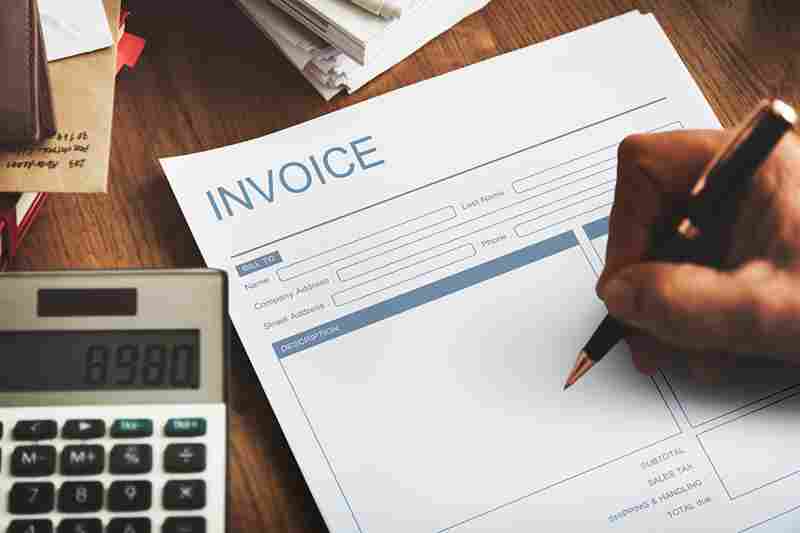
Processing invoices manually is a problem that affects all industries. It consumes time and can cost money that could be better spent somewhere else. In contrast, numerous companies across all industries are implementing the automated process of processing invoices. This article will discuss the advantages of automated invoice processing, and how it can assist you to improve productivity. In the end, the automation of invoice processing has proven to be an excellent relief for those who were managing various processes since it allows businesses to cut costs and improve efficiency. When manual processes are likely to result in several hundred thousand dollars for business operations that are plagued by inefficiencies. An automated invoice processing system for this issue can eliminate the manual process of processing invoices and gain the cost savings that automation could provide. What is Automated Invoice Processing? Invoice processing automation involves the application of technology to speed up the process of generating invoices. This could include automating the creation of invoices and also the recording of, storage, and retrieval process of invoices. Automated invoice processing could help businesses save time and money by reducing the necessity to manually enter data and increasing accuracy. How Automated Invoice Processing is Reshaping Businesses? No More Paperwork The primary benefit of automating invoices is the fact that they remove the need for lengthy paperwork. Archiving and tracking files can prove to be a tedious and error-prone procedure when it is done manually. When you automatize this process, it can be completed swiftly and precisely, freeing your time to work on other essential tasks. Another benefit of automating invoicing is that it helps you save money. In the absence of papers and postage, it can cut down the cost of running your business by a significant amount. Automated billing can allow you to get quicker paid through automation of the process of billing. This means you’ll be able to get paid faster and get rid of the cost of late fees. Overall, automated invoices offer numerous benefits that help you save time and money. If you’re not using this software you should definitely be looking into it. Improved Reconciliation Revenue is able to flow in a continuous manner only when businesses can discover a method to settle disputes when they occur. Invoice processing is closely tied to the reconciliation of payments and invoice processing automation. This can help companies to simplify the reconciliation process. With the automated notification of suppliers and reconciliation workflows, if invoices that are submitted each month are in dispute in any manner, automated invoice processing is able to resolve disagreements instantly. This is done prior to the next cycle of billing, thanks to the simple procedure, repeatable and flexible the system can be able to meet and resolve the customers’ questions. Billing and Accrual Made Easy The automated invoice processing makes billing as well as accrual a breeze. Businesses are able to track their payroll in a simple manner. This is due to the fact that all data is kept in one location. Companies can also create reports quickly. Automated invoicing eliminates the requirement to print invoices on paper. This means that companies can cut costs on postage and printing expenses. Furthermore, it can help save the planet by decreasing the use of paper. Automated invoicing systems are extremely safe. This is because all data is stored electronically. This means there is no risk of losing vital information because paper invoices are damaged or lost. Automated invoice systems are extremely convenient. Because businesses are able to view their bills from any place around the globe. All they require to have is an Internet connection. Businesses can set up automated payments to ensure that they don’t need to worry about late payments. Real-Time Reporting Automating and upgrading the invoice process has shown the potential of another aspect which is instant reports and transparency. Since there is a growing need for quick and accurate details on where an invoice stands in relation to processing, automated invoice processing could help businesses. Spend less time on administrative Needs. Automated invoices can assist you in staying on top of your daily tasks by freeing time used for administrative tasks. Automated invoicing means that you simply input your data once, and the system will create invoices automatically for you. This means that you will reduce the time you spend on processes like data entry and spend more time doing things that will help expand your company. Additionally, automated invoicing will help you avoid the issue of late payments through reminders sent to customers on a regular basis. This can help maintain your cash flow in good shape and build good relationships with your clients. In general, automated invoices offer numerous advantages that will help you operate your business more efficiently. If you’re seeking ways to cut down on the time of your employees and also money, automating invoicing is certainly worth a look. Closing Note Through the automated processing of invoices, companies can guarantee the traceability of invoices throughout the procurement process. It gives a clear picture of which invoices are routed to, as well as the stage of approval and, consequently, helps managers make the appropriate decisions.
What are the Challenges of Outsourcing Payroll

Payroll outsourcing service has become a debating segment among numerous business organizations around the globe. Since the world of outsourcing was opened to companies benefiting from technology and the rise of IT, a lot of companies began to explore the benefits of outsourcing. Hiring these services locally or in-house is a more expensive option than outsourcing to offshore businesses. Outsourcing payroll, which we all know is one of the most prominent areas of outsourcing. Outsourcing allows you to efficiently issue payrolls and keep an accurate document. This will help you save time and effort as well as reduce the risk of making mistakes. It is important to weigh the challenges of outsourcing payroll including its benefits too before making a decision. About the Practical Approach of Myriad of Companies Payroll services manage the whole procedure of processing, calculation and final wages for the employees of an organization. It gets complicated when there are many employees in various departments of a business. There is no room for delays or ambiguities regarding the remuneration of hard-working employees. Every business requires a trustworthy payroll service team to manage the remuneration needs of their employees. But there are numerous obstacles to recruiting and keeping the payroll staff on premises over an outsourcing provider for payroll. An organization could be hit by massive investment and be distracted from its core business. Payroll outsourcing firms are cost-effective as well as reliable and efficient in providing appropriate services for outsourcing payroll. Some Key Payroll Outsourcing Challenges It is true that Payroll Outsourcing Services bring some significant benefits to businesses. Accounting companies and CPAs must think about the possibility of working with the top payroll outsourcing companies. But the truth is that hiring payroll outsourcing may not go as smoothly as you would expect. There is a chance that you will have to cut down nails that sprout up as challenges in the process of outsourcing payroll. In this article, we will inform you about the most common issues that may arise when choosing to outsource payroll services. We’ve even provided the most effective ways to solve every one of these issues. If you follow the guidelines, you will be able to overcome the obstacles that may stand in your path to seamless payroll outsourcing. Here are a few major outsourcing payrolls challenges that firms face: Payroll outsourcing services offered by remote companies can create confusion. You might be unsure if the payroll outsourcing firm, you select is trustworthy. The credibility of payroll outsourcing firms could put you in a bind. Conducting a thorough background check and conducting detailed discussions with the potential outsourcing company regarding the payroll services will give you an impression of trust. You can also organize a face-to-face meeting in the event if it is feasible to eliminate any doubts. Transparency between the two parties can aid in the development of a positive business relationships. It is vital to have the ability to communicate effectively among the parties who are involved with payroll outsourcing. A smooth and efficient execution for the outsourcing company isn’t feasible without efficient communication. Maintaining a two-way dialogue between your company’s team as well as the outsourcing firm isn’t easy. It is essential to get regular updates on the development of your project. To maintain a reliable communication channel, you need to engage in a discussion with your service provider in advance. Your company must be able to clarify all the details of communicating different aspects regarding your payroll services. Make sure you use the most advanced tools and communication software. These steps will aid in maintaining a healthy relationship. Tax law changes frequently. It is vital to stay current with the latest tax laws as well as their modifications to ensure you accurately estimate the liabilities and taxes of your employees. It is important to be aware of the changes to your regulatory framework. There is the risk of severe penalties if the modifications to the regulations are not viewed carefully. One method to ensure that your payrolls conform to the current regulations and laws is to employ this method. The most reliable outsourced bookkeeping service is one that can accomplish this. The service provider you hire for your outsourcing service should be able to provide up-to-date information regarding tax laws and regulations. It is how to stay clear of penalties and errors. One of the major advantages of outsourcing is the lower cost of service. However, there is the possibility that the benefit of outsourcing your payroll exceeds your expectations. Are you able to benefit from saving money and receiving top-quality services from your payroll outsourcing business? The answer to this question is a cost-benefit study. It is imperative to make sure that the choice to outsource payroll services is beneficial for your business. Examining the costs associated with internal payroll services with outsourcing is also recommended. Accounting companies and CPAs are able to quickly assess the anticipated costs and quality of the service to help you make an informed choice. It is possible to select the payroll outsourcing firm that offers the services you require at the best price. When outsourcing a crucial service, it’s essential to be able to communicate effectively. It is essential to ensure that all information is accurate and updated. Communication with your provider may be difficult if there is an issue with language. This is especially true if you recently moved to a new location and need to outsource payroll. This is why you must make sure your language barrier does not result in inconsistent services. The Bottom Line As per the aforementioned information, outsourcing payroll services are worth trying. You can avail everything from basic or complex payroll administration services for your company. The payroll outsourcing company will handle individual payroll information and the associated files for every employee. Choose the most reliable one for your business and you will get the complicated calculations, reports efficient, cost-saving, as well as expert access to everything without any hassle.
How to use Xero Accounting Software?

Xero is an online accounting system that was specifically designed for small-sized businesses that are growing rapidly. It shouldn’t be a surprise that the program is marketed by its tagline of “affordable professional-level accounting software for small businesses” and “the best at what it does,” which has more than one million users. It also is the most popular accounting software used by numerous accounting firms. Based on the specific needs of your business, Xero will save you significant amounts of time, work, and cash but it could also cause you to have more problems than it’s worth. First, you must consider the following arguments in favor and against, and then make the conclusion you want to make. Each new business requires tools that can help in its growth but also grow by leveraging it and the Xero ecosystem is exactly like this. If you’re just beginning with the accounting software Xero’s main package, you have the option of integrating additional programs which interfaces with Xero when your business expands. Xero offers you the capability to import information from different accounting software applications. As a result, you don’t need to throw away outdated software because it’s no longer useful; instead, you can quickly include anything you’d like to build a cutting-edge system that can be customized to meet the needs of your business. Starting with Xero Make sure your bank account is set up with feeds You must create feeds to all your accounts at banks, which include credit cards and PayPal accounts you might already have. Make sure you have a chart of accounts If you’re moving to Xero from another accounting software, you’ll get the option to import your current chart of accounts to Xero or alter your chart of accounts that’s in place. If you are able to access an accountant who is certified, then it will be a good idea to discuss this option with them before making a decision. If you are, however, the company’s bookkeeper, then we suggest that you use an accounting chart built into the default installation of Xero. To better suit the requirements of your business you can either delete existing accounts, modify existing ones or even create new accounts. Navigate into Settings and then Chart of Accounts, if you need to make any changes to your account. Conciliate frequently The process to reconcile bank accounts has been considerably simpler than it had been before with Xero. If you’re spending just a few minutes every week to approve transactions that have already been matched and your information will remain current regardless of whether you take any other steps to keep it updated. Since Xero integrates into your account, every one of your transactions is automatically transferred into the application without any effort from you. Since Xero keeps track of the category the last time a transaction was assigned and all you need be doing to add the transaction in the same place it was before is press”OK” button. It is recommended that you reconcile at least every week. If not regularly to ensure that the data on your bank records are as accurate as possible. The invoices that are up-to-date regularly give an accurate picture of the flow of cash. When you’ve got a transparent picture of your business’s cash flow, you’ll be able to make better-educated decisions that will be in the best interests of your company and prevent getting behind on invoices due. Create your company’s information It is mandatory to ensure that you possess an identification number, along with an address for your registered office in the case of the company of limited liability (LLC). For every one of the invoices you issue, you must include an exact copy of the registration number. Make sure you have your financial settings set up Choose Settings > General Settings > Financial Settings on the menu and add the information of your company. Add payment services In addition, you should connect the Xero account to all currently used payment providers. The services such as PayPal, Stripe, and GoCardless may fall under this category. Customers are more comfortable making payments to you since they have the option of choosing from a variety of payment options. Create a payroll Xero Payroll may assist you in keeping track of expenses associated with your employees. Additionally, you don’t require information about the payroll costs from a different software since this feature keeps all information related to payroll in one place. If you do know an accountant, then you should speak with them about your arrangement. They will confirm your year to date numbers are accurate and make any needed adjustments. However; they may have to add balances from year-end conversions to your report.
How To Use QuickBooks Online
If you’re an entrepreneur, then you’ve probably been familiar with QuickBooks online – the smart accounting software that lets you manage everything from payroll to taxes. However, if you’re new to QuickBooks it’s possible you’re thinking about how to use QuickBooks online. Do not worry, we’ve provided all the information for a brand-new QuickBooks user that is required in this easy-to-follow guide. Are you ready to learn more about how QuickBooks Online works? Let’s start by following simple steps! How to Use QuickBooks Online Dashboard The first step in learning how to make use of QuickBooks Online for a business is to get familiar with the interface. The dashboard is the first item you’ll notice when you log in to your QuickBooks account online. It’s the dashboard where you can navigate to all the information you’ll require as a QuickBooks user. You can spend some time looking through the various menus available on the dashboard and be aware of where you can locate everything you need. Choose Your Financial Preferences While looking for how to use QuickBooks and when updating your company’s information, you’ll be able to alter your financial preferences on this section in your QuickBooks Online account from the expense, sales, and tabs for advanced. Make changes to things like payment with your credit card and the automation of invoices and VAT data as well as your company’s end-of-year date to ensure that all information is correct for your financial reports. Add the Company’s Information Next how to use QuickBooks is after the very first login, it is time to create your company’s information and preferences. On your dashboard, click the gear icon, then select the ‘account’ and settings’ options, then click on the tab for ‘company. From there, you can provide information about your company such as – company name, business type, address, contact details, etc. Customize Your Chart of Accounts The Chart of Accounts in QuickBooks is the list of various categories used by QuickBooks to classify the money that your company needs to use for its financial statements. Five categories are created by default in QuickBooks Online by default: assets, income, expenses as well as liabilities, and equity. Most users who use QuickBooks for business will choose to leave these default settings. However, you could want to alter the categories to fit your requirements. It is possible to change the names of these categories, or you’ll discover that you have to set up a new category that doesn’t fit under the categories already mentioned. Start by going to the ‘Accounting’ tab on the dashboard and selecting ‘Chart of Accounts.’Choose ‘New’ and then the ‘Expense’ option or ‘Other Expense as the ‘Account Type’. Select a Detail Type and then enter the name of the new expense category. Include an explanation. Are you unsure of the best way to transfer the contents of your Chart of Accounts in QuickBooks Online? From the Chart of Accounts screen, click the ‘Run Report’ button. You’ll see four options: print, email, export, and additional settings. Select the appropriate option for export to either an Excel document or PDF. Import Your Business Data It’s easy and quick to import your company’s information into the QuickBooks Online app, so you don’t have to begin all over again. It is possible to import data like your bank transactions, your chart of Accounts, suppliers’ invoices employees, budgets, and information about your vendors or customers. QuickBooks Online offers multiple options to import data, and you can pick the one which is the most beneficial for your company and you. The various methods to go for are- MS Excel files, CSV files, Intuit Interchange Format (IIF)including the Web Connect file. Set up the Payroll. Are you wondering “How does QuickBooks payroll work”? The addition of your payroll to QuickBooks makes everything accessible all in one location. It is possible to categorize your payroll expenses, so you’re able to see precisely how much of your spending each month is for the wages of employees and also you don’t have to keep a separate system up to date. It’s time for you to set it up. Click on ‘Payroll Settings’ and then click ‘Setup Overview’. This is where you can enter important details to your QuickBooks Payroll, such as: Pay policies: This includes your payment schedules, as well as the policies on vacation. Tax setup: Vital to ensuring that taxes are properly processed. Deductions: Include regular health insurance and retirement plan deductions for all employees here if applicable. Preferences: This includes aspects like accounting and printing. After you’ve entered the information go to the ‘Accounting‘ tab in the setup overview screen Then select ‘Company’ and Account’. Choose which account you’ll use to keep track of the payroll costs. For adding employees to your payroll go to Employees from your dashboard. Here you can enter the information of your employees. Ensure all employees are covered by your existing pay and deduction rules, with the option to add more. This video guides you through creating tax details, salary info, and aligning with your pay calendar. Connect your bank account and credit cards It is possible to sync your QuickBooks Online account with your credit and bank accounts at this time. It means QuickBooks downloads & categorizes previous transactions automatically, saving time & effort by eliminating manual data entry. Go to the ‘Bank Accounts’ tab on your dashboard, and then click “Connect Account”, then look for your bank, and then sign into the account using the username and password that you do for online banking. After connecting you’ll be in a position to look at all accounts that you have with this bank. You’ll need to choose your business account and then choose the transaction you’d like to transfer onto the QuickBooks account. Once you’ve picked the right transaction, QuickBooks will download them in a timely manner. After downloading, simply review how they’ve been classified. End Note QuickBooks is easy for novices & perfect for small businesses looking to save time &
Sage Accounting Software – Benefits & Features (A Quick Review)

Sage accounting software has been around for over four decades. Strikingly, the brand’s core focus remains on serving the accounting needs of small and medium-sized businesses (SMBs). But we all know that no two businesses are the same in size, scale, or industry. Notably, Sage offers a diverse range of accounting solutions tailored to specific purposes and needs. The good thing is that the products continue to evolve with the shifting technological landscape. In this article, we’ll explore some popular accounting software offered by Sage. Additionally, we have outlined some important features and benefits of these modules for your reference. So, whether you handle accounting in-house or prefer to outsource it, you will already be in the know about what you’re getting into… Sage Accounting Systems: An Overview The scope of Sage software is versatile. Available as online, offline, and hybrid options, different modules are meant to fulfill the unique needs of the different user segments. Below are some popular Sage modules with their key features: Cloud-based Sage Accounting Software Successful business operations are characterized by productivity, efficiency, and minimal friction. Naturally, you would look for a solution that allows for manual bookkeeping and accounting to be replaced by automation, saving valuable business hours. Besides, real-time tracking, remote accessibility, and compliance also hold significant importance. However, technology has a learning curve and can also be expensive sometimes. Therefore, accounting software that is user-friendly, feature-rich, secure, and budget-friendly can be an ideal pick. Sage Accounting in the cloud allows small businesses and sole traders to create and manage invoices with minimal effort. It also helps you to maintain a steady cash flow by enabling close monitoring of payments and receivables. Furthermore, automated bank reconciliation ensures your records are always accurate. You can directly input data into the system by simply taking photos of documents like bills and receipts, saving time and effort. Plus, your clients will not have to wait as sending estimates and quotes becomes almost instant. With its intuitive features, the software empowers you to estimate cash flows and make informed decisions. Security and backup are two major attractions for business and accountants alike. Note that ‘Intacct’ and ‘Sage 50’ are also cloud-native. Some Key Benefits of Sage 50 and Sage 100 Let’s explore some key benefits offered by the these two products: a) Sage 50 This accounting module from Sage comprises a comprehensive suite of tools to streamline your small business finances. From hassle-free invoicing and efficient payments and banking to keeping track of your expenses and job costing, it helps simplify your company’s financial operations. Furthermore, Sage 50’s advanced features enable you to manage your inventory more effectively, which can help save money and improve customer service. Additionally, robust reporting and audit tracking can provide meaningful data insights for review and future planning. As your financial sub-processes are now more synchronized, you get a holistic view of your company’s finances. Importantly, you can also seamlessly integrate Sage 50 with Payroll. This allows you to expand its scope and take advantage of the add-on service. b) Sage 100 A feature-rich ERP solution for small and medium-sized businesses (SMBs)! Intuitive, quick, and easy to deploy, Sage 100 provides you with complete visibility and control over financial and payroll operations. Additionally, it can also synergize with your warehouse and manufacturing functions. Furthermore, you enjoy a paperless and customized office as the software integrates effortlessly with other office and business applications. Sage 100 comes with an easy format reporting feature. Effortlessly organize, modify and run reports to draw meaningful insights. Then there are party add-ons to take your SMB ERP management to the next level. So, you can make the most of alerts and workflows, data and analytics, enterprise intelligence, and netstock predictive planning. You get so many features but at cost-effective pricing! Leverage Sage’s Accounting Prowess with Centelli If you’re a business, CPA/accounting firm looking to outsource your accounting tasks, we understand your concerns about service quality and costs. You might also have apprehensions about the software expertise of the team handling your accounting workflows. Different versions of Sage accounting software offer unique capabilities and features, with costs varying based on the modules provided. In general, Sage positions itself as an affordable option. Absolutely! A thorough grasp of the features and functionalities is imperative. Because even with a top-notch accounting system, delivering desirable outcomes would be challenging without ample understanding. However, this won’t be the case when you partner with us. As professional accounting outsourcing services, we adhere to specific benchmarks. Plus, we have a diverse team of experts, all equipped with experience in marketing-leading software and tools. Sage’s industry-specific product versions allow users to choose what’s suitable for their business accounting. The offer solutions for Construction, Financial Services, Healthcare, Hospitality, Manufacturing, Nonprofits, Retail, and SaaS sectors. Hence, we’re able to deliver the best outcomes meeting our client’s expectations. We encourage you to leave your worries at bay – our accountants and bookkeepers are extensively trained to manage your processes powered by Sage software accounting. Sage is an important part of our accounting services tech stack at Centelli. Explore our accounting services portfolio here. We cater to business of all sizes across sectors and are actively serving the UK, Europe, and the United States, with worldwide delivery capability. Conclusion The Sage brand is globally recognized and offers an enabling solution for SMBs and organizations seeking a hassle-free, cost-effective accounting solution. It also trusted by many CPAs, accounting firms, and outsourced accounting services. Is Sage your preferred accounting software? Interested to know how we can help you unlock Sage benefits to the fullest? Not to mention, loads of time and money you can save when you hire us! Contact us now to get your free consultation!
An Overview of Accounts Payable Process Improvement
Every business needs to procure goods and services for its operations. These can include raw materials, machinery, office supplies, marketing and delivery partners, and more. Ensuring payment accuracy and timely bill-clearing helps you foster strong supplier relations. If it’s not up to par, it’s time to undertake an accounts payable process improvement exercise! If it’s not up to par, it’s time to undertake an accounts payable process improvement exercise! Sure, you might find it challenging, but it is much needed nonetheless. Let’s discuss some steps you can take to level up accounts payable (AP) and maintain a healthy cash flow—always. Ideas for Accounts Payable Process Improvement Inefficient AR process flows can hurt your business’s reputation, supplier relationships, financial planning, and decision-making. Do this to simplify and streamline your payments to avoid these issues and save yourself the trouble. 1. Improve Accounts Payable Process Workflow Organization Orderliness is the key to an effective process, including accounts payable. You should develop a robust method for handling invoices from the time you receive a bill until the time you pay it. Store all invoices in a central location so that you can quickly locate them. You should also prioritize invoices by due date. For example, you can arrange bills by due date, with the closest due dates first. You can use an accounts payable aging report to track invoice due dates. An AP report will help you identify vendor invoices that are past due payment date. 2. Go Paperless; Adopt Digitalization for Faster AP Process This step is highly recommended for elevating accounts payable process efficiency. One of the biggest challenges buisnesses face today is managing paper-based documention. Even though an increasing number of invoices are processed electronically, some are still printed on paper. This happens even in organizations that receive electronic invoices. It not only adds printing costs to business expenses, but you may end up spending considerable time to locate the documents. Further, it can also be quite costly to store the paper invoices for record even after they are paid. Besides cost-inefficiency, there’s also a risk of damage like decay and fire. Documents often need to be sent to other departments for information sharing, encryption, or response. Photocopying can add to the distribution costs and may be lost or delayed before reaching the desired destination. Data digitization and electronic data transfer are a better option for this reason. When you implement digital solutions, you can eliminating the paper trail. By eliminating paper, you will be able to reduce printing costs, conserve hours, and save office space. Consequently, you can achieve a time and cost-efficient invoice payment process. 3. Reduce Data Entry Errors to Improve Trade Payables Incorrect data entry can ruin any chance of improving your accounts payable process efficiency. One study found that 88 percent of Excel spreadsheets contain errors. These errors can be mechanical, logical, and omission. Even small errors can be costly for your business. Imagine how much time and money you may need to spend to fix them or for dealing with the aftermath like delayed payment penalties. Notably, manual entry is the most common cause of data entry errors. You can lessen the chances of mistakes by automating data entry. 4. Use GL Codes to Reduce Accounts Payable Processing Times Even in companies with an ordering system, some invoices still need to be approved and coded before they can be paid. Having an effective general ledger (GL) coding system in place ensures that all account payable transactions get recorded accurately. It allows you to assign a unique GL code to each financial entry, helping improve overall accuracy, tracking and reporting. Importantly, coding can be made easier for non-finance-related users handling data. Sophisticated defaults and lists based on departments or vendors make coding easy. One key benefit of this strategy is that it can speed up the process by eliminating the need for the accounts payable team to review and potentially reject paper forms. Furthermore, you can automate GL coding to effectively cut down your processing times and level up the payable process as whole. 5. Don’t Loose Track of AP Invoices; Set Reminders You should make a conscious effort to organize your creditor accounts. It is easy to over look payments and allow some outstanding invoices to go unnoticed. So, it helps if you set up reminders for your pending bills before their due dates expire. It also helps you anticipate upcoming expenses!! You can use a calendar to manage invoice due dates and set alarms to automatically notify you when due dates are nearing. Also, you should review your payables regularly to make sure you don’t miss any bills. Want to save the hassle of managing your accounts payables all by yourself? We provide expert accounts payable outsourcing services to businesses of all sizes. Contact us to learn how our accounts payable process improvement ideas and solutions can help you. 6. Accounts Payable Transformation with Automation Notably, inefficient purchase invoice processing can kill your supplier relations, causing disruption to service and supply lines. You may be forced to look for new suppliers as a result. You can, however, level up your process by using an accounts payable (AP) automation solution. In addition to providing touch-free straight-through processing for most invoices, it also helps highlight issues for the accounts payable team to resolve swiftly. Automation can take your account payable process improvement to a whole new level! No more manual invoice processing means eliminating the chances for errors and inefficiency. It also helps prevent document losses and ensures timely invoice processing. 7. Better Archiving of Accounts Payable Transcation Process Data One of the most efficient ways to improve your accounts payable management process is to track your invoice data! When you receive an invoice, store it electronically as a PDF or other document format. This includes invoices, purchase orders, receipts, and supplier notifications. These documents will help you pay invoices accurately. They will help you know when each invoice is due, who you
Know The Tips to Outsourced Accounting
If you’re new to outsourcing accounting services or have had an unpleasant experience previously, you may be on the lookout for tips to outsourced accounting that can help avoid potential risks and mistakes. Alright! So, you’ve finally decided to hire an outsourced accounting service provider. You’re surely aware of how accounting outsourcing can benefit your business. However, even though outsourced accounting services companies can be amazing partners, you need to recognize that each has its own unique methods of operation and processes. In this article, we’ll walk you through the steps of finding the best accounting solution provider and share some tips for establishing an effective relationship with them. Deciding on the Accounting Tasks to Outsource If you want to outsource selectively, focus on tasks that are the most time-consuming, complex, or require specialized expertise. This allows you to retain control over core business functions while freeing up your internal teams and resources from tasks that can be handled by a third party. Bookkeeping, tax preperation and filing, and payroll are among the most common processes businesses outsource, markedly. If you find it hard to decide, you can always consult with the service providers, many of whom offer free discovery calls. Depending on your industry and the specifics of your accounting needs, your outsourcing provider can help you evaluate which areas require improvement. They can assist you in deciding on the best solution for your accounting needs. Tips to Select the Right Outsourced Accounting Services Outsourcing is extremely popular in the business world. Professionally trained and cost-effective services are among the major reasons companies turn to outsourcing. Whether it’s full-cycle accounting outsourcing or partial delegation, businesses stand to gain when done right. You need to diligently identifying the ideal outsourcing accounting service provider who can align with your objectives effectively. So, if this is your first time dealing with an accounting service provider, consider these tips for a better deal and peace of mind: These are key factors to consider before choosing an outsourced accounting service provider. Evaluating these aspects first will help you select the most suitable partner, giving you peace of mind. Furthermore, before signing a contract, it’s also wise to review the company’s work portfolio and testimonials to understand their methodology and expertise. How to Contact the Accounting Service Providers You’ve Shortlisted? You have several ways to connect with accounting outsourcing service firms. However, whatever method you use, keep an open and optimistic mind while being careful. This is what you can do: Remember, when reaching out, you should have all the necessary information ready so you can clearly communicate your needs to your prospective service partner. Discuss all relevant details about your company, your goals, and other elements to establish a strong business relationship. Also, request estimates and arrange a meeting to discuss specifics to ensure a smooth interview/consultation process. Closing Note on Making Outsourced Accounting a Success A positive relationship with your service provider, based on trust and transparency, goes a long way in ensuring positive outcomes and ROI. You must clearly communicate your operational and business goals, as well as expected deliverables, to your service provider. Additionally, provide access to all necessary information and financial data for the accounting process handover. Furthermore, regular communication between both parties ensures effective tracking and helps in dealing with any issues and unforeseen events. We hope these tips are helpful if you choose to pursue outsourced accounting. Should you want to explore partnering with us, schedule a free consultation to find out how we can help you.
Cash Flow Management—What You Need to Know

Cash flow management is the most vital, but most ignored financial tool available to businesses. In-fact, many business owners confuse cash flow management with accounting. But the rules of accounting define when those transactions are recorded in their financial statement. This is of no help when business owners need to manage their cash for the upcoming week or month. Many businesses fail because they run out of cash, even when their statements show profitability. What Exactly is Cash Flow Management? It is simply the tracking of money that comes in and out of a business. Moreover, it is a process of analyzing as well as optimizing the net cash receipts minus the expenditure. After-all, it is all about the management of your finances effectively so that there is enough cash to grow. With the best cash flow management strategies, you will be able to predict how much money will be available so as to cover vendor invoices, payroll etc. Now let us talk about cash flow strategies- Cash Flow From Operations Usually the operational cash flows from day to day operations such as sales and production. This figure determines whether a firm has enough money coming into paying operational expenditure and bills. In order to have a long term viability, there should be more operating cash inflows. Cash Flows From Investments CFI shows how much money has been spent or made from any investment in a period of time. Cash Flow From Financing A CFF shows the net flow of cash that is utilized to fund the business. The activity includes transactions that involve the issuance of equities, debt, or paying dividends. Moreover, it also provides the investors an insight into a firm’s cash position including how their capital structure is being managed. How to Manage Cash Flow in Business? The financial statements are necessary to manage your firm and if you have been regularly monitoring your funds, then managing cash flow will become less cumbersome. By Choosing the Right Payroll Cycle You can properly structure your payroll to mesh with your income and complying with wage laws. In case you are generating daily revenue, then covering the cash needed would be much easier for weekly payroll. However, this can be quite a challenge for those with comparatively slow revenue streams. There can be some advantage to holding cash so as to pay less frequently, provided you fall into the applicable wage law. Using Technology for Payments Next on how to manage cash flow is opting for online payments in order to collect receivables faster. Moreover, the use of EFT (Electronic Fund Transfers) to pay bills would make the process much easier. This will surely help you keep track of where you are currently standing. Whether it is the short or long term financial success, positive cash flow is vital. You can make the most of your cash by properly collecting payments, monitoring expenditures and utilizing the resources that make the entire cash flow process convenient. Strategic Bill Payments Another one in the small business cash flow management is to extend payables to spread your payments. It is very important for you to not pay all of your bills at once, because it can drain your cash which in turn will jeopardize your relations with the suppliers. What you should do is sort and review bills that are on priority and pay the important bills such as rent or payroll. For those payments which are more flexible or you can say less important, can be paid later. Additionally, always check for any discounts for paying bills early and prioritize accordingly. Consider Invoice Financing In case you are not able to negotiate or are needing money sooner, than the time you are able to agree upon with your customers, then invoice financing should be considered. It is quite different from the invoice factoring, that you purchase invoices at a certain discount and invoice companies will then advance the entire portion of the remaining invoices and you will repay that money with interest. Make Sure There’s an Emergency Fund Although your business is better, still you should make sure to put some funds aside every month. Doing this will be helpful in the event of potential cash flow problems. You would agree that no one can accurately predict what is going to happen, therefore it can be worth setting aside some emergency amount that would at least cover the bills. Another best thing would be to check your monthly outgoings and accordingly save around 3 to 4 months worth. It may not seem to be a complete solution, but should cover a few major cash flow issues for the time being. Use the Best Cash Flow Tracking Tools Using the most effective tools like a cash flow management software will help you keep track of your financial performance. It may sound a bit complicated, but using an intelligent software can actually come in handy. Moreover, you can also find a plethora of applications that enable you to manage bookkeeping with ease. The point is to choose a means to make your work as easy as possible. Avoid Too Much Leniency With Your Customers You should be fair to your customers without being pushy. A smart invoicing strategy will get the job done, but don’t be hesitant to take a formal action if there is a need. Keep a keen eye on your ARs turnovers too. If it is boosting up, then step up your efforts at getting payments. As the age of the receivables increases, their overall quality also goes down, therefore quick action is required. Always Keep your Business & Personal Finances Separate Next in this list of how to manage cash flow is to understand your cash flow and anticipate how it may change. You should never mix personal finances and business as it may leave you uncertain about the overall performance of your business. Always keep them separated as in this way you will know how much cash your